GAME DAY DNA: Forever Blowing Bubbles

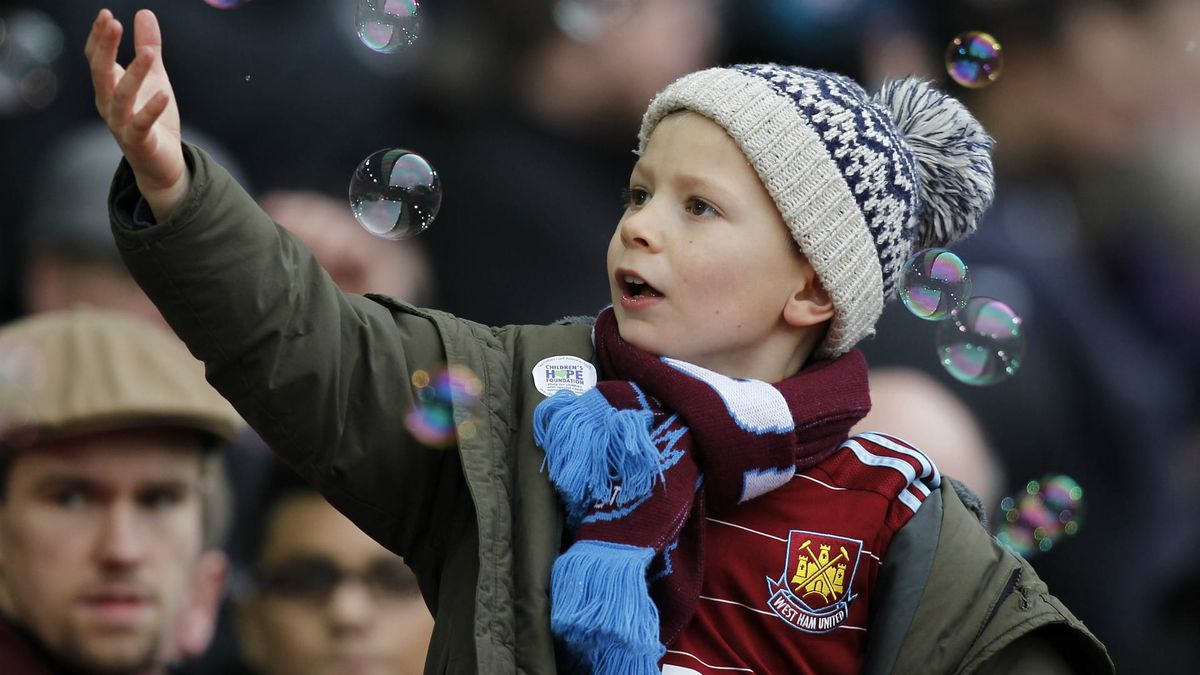
A century-old song. Thousands of voices. Bubbles drifting across a football pitch. One of English football’s most recognisable pre-match rituals.
TEAM: West Ham United
STADIUM: London Stadium, London, England
RITUAL: I’m Forever Blowing Bubbles
WHEN: Before kick-off, with spontaneous renditions throughout matches
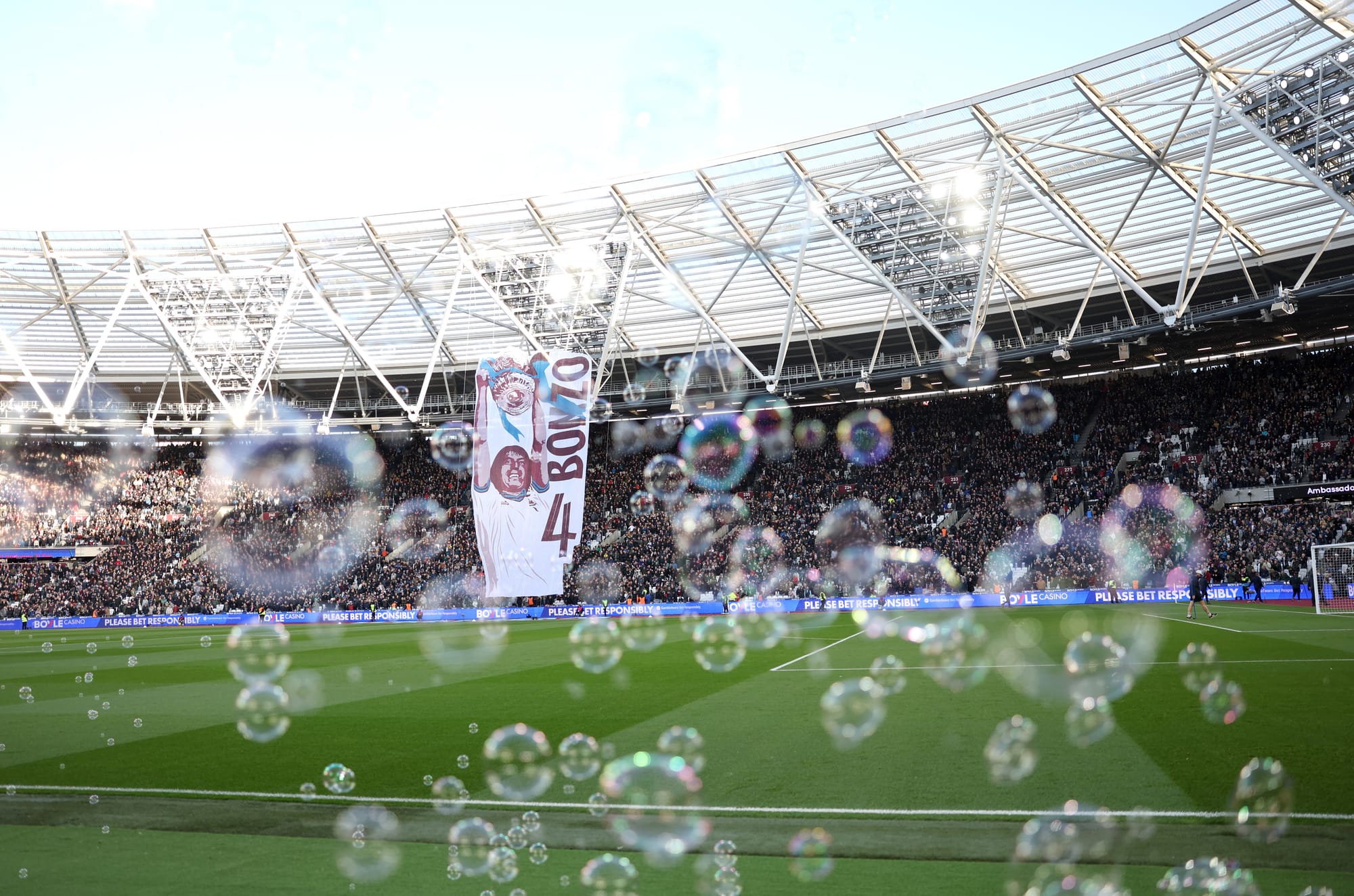
As West Ham’s players walk onto the pitch, bubbles float through the air and supporters launch into the club’s famous anthem.
It is a curious combination for a football club rooted in East London’s ironworks: delicate soap bubbles and a song about dreams slipping away.
But together, they have become unmistakably West Ham.
A Song That Crossed the Atlantic
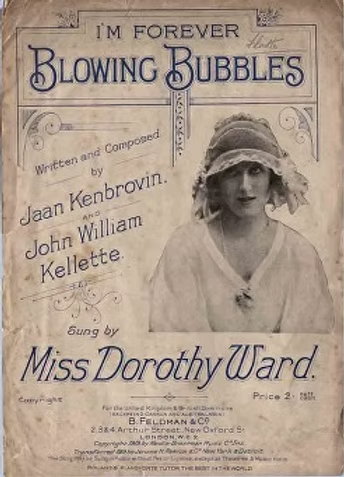
Before it reached the terraces, I’m Forever Blowing Bubbles was an American popular song.
Published in 1919, with music by John William Kellette and lyrics credited to the writing partnership known as Jaan Kenbrovin, it became a hit on both sides of the Atlantic.
In Britain, it found its way into music halls and the repertoire of bands entertaining football crowds.
West Ham’s supporters would eventually give it a much longer life than its writers could have imagined.
The Schoolboy Called Bubbles
The most familiar explanation for West Ham’s connection involves a schoolboy, a headmaster and a soap advert.
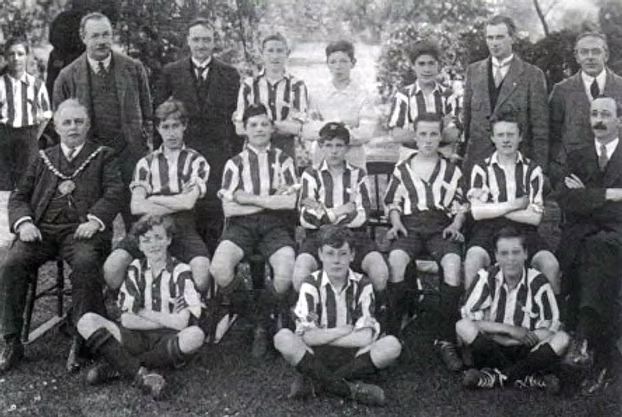
William “Bubbles” Murray played football for Park School in East London. His nickname reportedly came from his resemblance to the curly-haired child in John Everett Millais’ painting Bubbles, famously used to advertise Pears soap.
According to the story, headmaster Cornelius Beal would sing versions of the popular song to celebrate his players.
Beal knew Charlie Paynter, West Ham’s trainer and later manager, providing the connection through which the tune supposedly reached the club.
It is a wonderful origin story, although the exact route from school football to the terraces remains disputed. Even West Ham has presented the Murray connection as one explanation rather than a settled fact.
An Unlikely Football Anthem
Listen to the sentiment behind the song and it becomes an unusual choice for a sporting anthem.
There is no promise of victory. Instead, it describes rising hopes, disappearing dreams and fortune that remains frustratingly out of reach.
Perhaps that explains its staying power.
Supporting a football club means returning with fresh optimism, whatever happened the previous weekend. Players change, managers leave and seasons disappoint. The supporters come back.
Through that lens, I'm Forever Blowing Bubbles feels like a remarkably honest football song.
When the Song Became the Spectacle
West Ham eventually gave the anthem a physical presence.
Bubble machines send clouds of soap bubbles across the pitch as the teams emerge, turning something supporters sing into something they can see.
The recording starts the moment. The crowd gives it its weight, carrying the anthem on as the music drops away.
From a stadium production perspective, it is beautifully simple: a visual effect directly connected to something the supporters already own.
Every bubble has a reason to be there.
I’m forever blowing bubbles - great result. West Ham are massive @_DeclanRice @CarltonCole1 @Mazer_9 @BigTomD @jimmywalker001 @kennyjbrown67 #Westham #irons pic.twitter.com/6O6NX31LMt
— Mark Little ⚒ (@marklittle2) November 7, 2021
A Tradition That Moved Home
In 2016, West Ham left the Boleyn Ground for London Stadium. The surroundings changed dramatically, but I'm Forever Blowing Bubbles travelled with the supporters.
That continuity matters.
A stadium holds memories through its stands, streets and familiar meeting places. A song can carry those memories into somewhere new.
For supporters who knew Upton Park, the anthem connects the two grounds. For younger fans, it is something inherited: the same song their parents and grandparents sang.
More Than a Matchday Song
The anthem has also travelled beyond the terraces.
West Ham’s 1975 FA Cup Final squad recorded a version that reached the UK Top 40. East London punk band Cockney Rejects took their own version into the charts around the club’s 1980 final appearance.
In 1999, 23,680 supporters at Upton Park even set a world record by blowing bubbles together for one minute.
A popular tune had become a terrace anthem, a recording and a shared spectacle.
Along the way, it became part of the language of being a West Ham supporter.
The Game Day DNA
The strongest stadium rituals collect meaning through repetition.
At West Ham, Bubbles brings together local folklore, generations of supporters and the familiar cycle of hope that comes with following a football club.
The production works because it makes that connection visible. The bubbles belong to the song. The song belongs to the supporters.
Before a ball has been kicked, thousands of people are sharing something passed down to them.
A song begins. Bubbles rise. The crowd takes over.